A new move from the US is creating unease across global markets.
Former US President Donald Trump has backed a proposed law that could seriously impact countries still trading with Russia. The details are sharp. And the message is even sharper.
India and China are very much part of the conversation.
What Is This Bill About
The proposed law is called the “Sanctioning of Russia Act 2025.”
Its main goal is simple. Cut off Russia’s revenue streams. Force an end to the Ukraine war. That’s the pitch.
But the way it plans to do that has raised eyebrows.
The bill targets countries that continue to buy Russian oil, gas, or uranium. And the penalty is heavy.
A Tariff Threat That Got Attention
After meeting Trump, Republican Senator Lindsey Graham spoke about the bill.
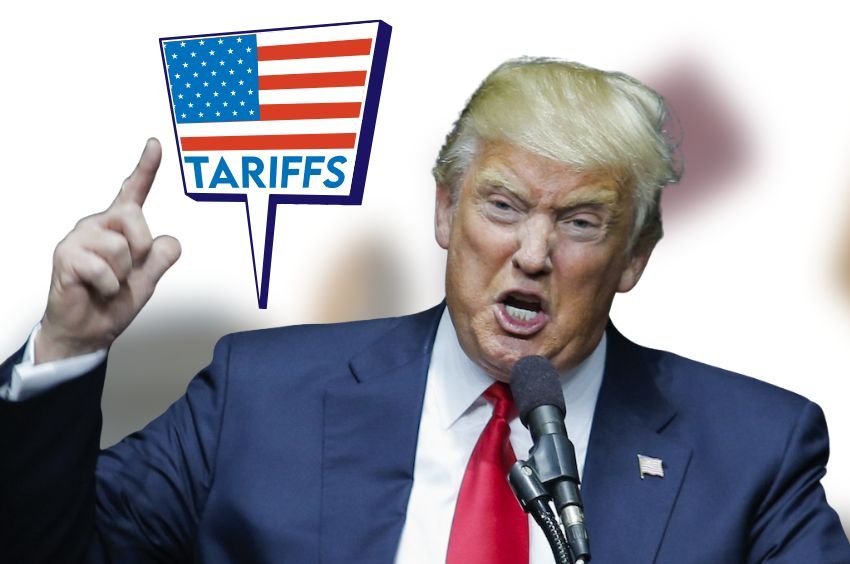
He said the legislation would give the US president unprecedented powers. Under the proposal, the US could impose tariffs of up to 500% on imports from countries buying Russian energy.
Not just oil. Gas and uranium too.
Graham called it a “leverage tool”. The idea is to push big buyers away from Russian supplies and towards American or other alternatives.

That’s where countries like India, China, and Brazil come in.
A 50-Day Window
There’s a timeline attached.
If Russia does not agree to move toward a peace deal with Ukraine within 50 days, the harsh measures could kick in. Voting on the bill is expected in the US Congress next week.
What’s interesting is the level of support. Both Democrats and Republicans are largely backing it. That gives the proposal more weight.
Why India Is Under Pressure
India is already dealing with trade and diplomatic pressure from Washington.
From August 2025, the US imposed tariffs of up to 50% on selected Indian goods. About 25% of that was directly linked to India’s purchase of Russian oil.
On top of that, US sanctions were imposed on Russian oil companies like Rosneft and Lukoil in October 2025.
The impact is visible.
India’s imports of Russian oil dropped to around 1.2 million barrels per day in December, a three-year low.
Trump’s Words, India’s Stand
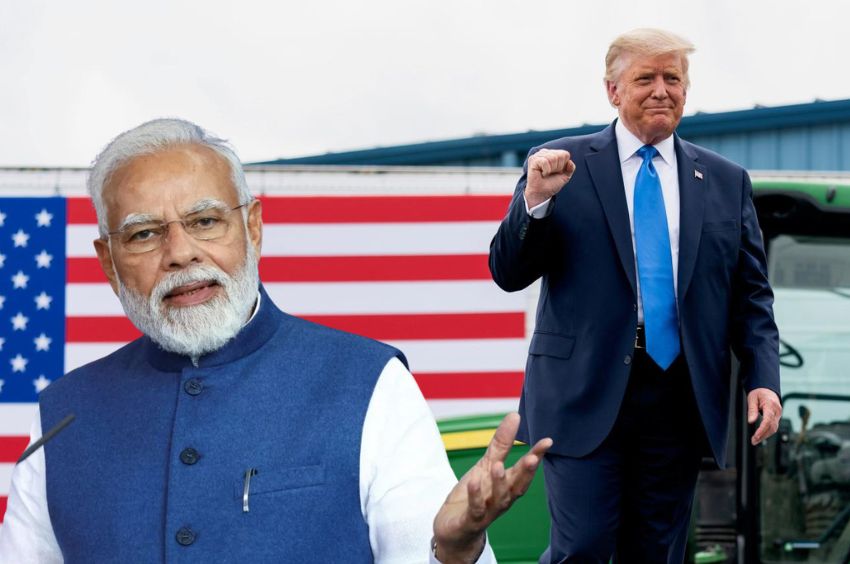
Trump recently said that Prime Minister Narendra Modi is a good friend. But he also admitted he is not happy with India’s tariff position.
India, on its part, has stayed firm.

The government has said energy purchases are based on national interest and security needs. Not politics.
That line hasn’t changed.
What Makes This Situation Tricky
Experts point out one thing.
The US has taken direct tariff action against India. But with China, Washington appears more cautious. The fear is global supply chain disruption.
That balancing act could shape how this bill is finally applied.
Or softened.
The Bigger Picture
This isn’t just about tariffs. Or oil.
It’s about pressure. About alliances. And about how far countries are willing to bend.
For India, the coming weeks matter. A lot will depend on how this bill moves through Congress. And how aggressively the US chooses to use it.
For now, markets and policymakers are watching closely.